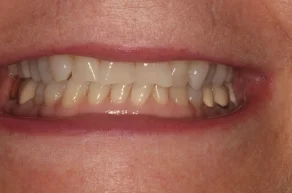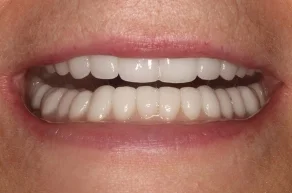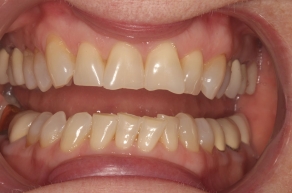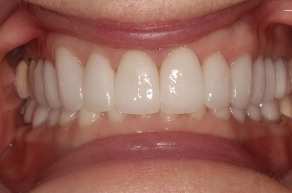
 Dental bonding is a popular and minimally invasive cosmetic dentistry procedure designed to correct tooth damage or other visible dental imperfections with natural-looking results. During the procedure, a color-matched composite resin is bonded to the surface of teeth to repair issues such as chips, cracks, discoloration, or gaps. Cosmetic bonding can generally resolve minor aesthetic concerns while preserving more natural tooth structure than other treatments. Using versatile dental bonding techniques, cosmetic dentist John Cross, DDS can revitalize your smile with beautiful results.
- Cosmetic Bonding Benefits
- Cosmetic Bonding Candidates
- Cosmetic Bonding Procedure
- Cosmetic Bonding Results
- Cosmetic Bonding Recovery
- Cosmetic Bonding Complementary Procedures
- Cosmetic Bonding Cost
- Additional Cosmetic Bonding FAQs
What Are the Benefits of Cosmetic Bonding?
Cosmetic bonding is known to be one of the quickest ways to correct a variety of aesthetic issues related to the shape, color, and spacing of teeth. This cosmetic dentistry technique can be used to:
- Repair chipped and cracked teeth
- Conceal tooth stains and discoloration
- Minimize the appearance of gaps and spaces between teeth
- Modify tooth shape
Unlike porcelain veneers or dental crowns, cosmetic bonding can preserve most, if not all, of the natural tooth structure. This procedure can typically be completed within one visit, improving the beauty of your smile almost instantly. Finally, dental bonding may be a more cost effective way to enhance your smile compared to other cosmetic or restorative dentistry options.
Who Is a Candidate for Cosmetic Bonding?
Candidates for cosmetic bonding are typically individuals with minor cosmetic dental concerns who want to enhance their smile. This treatment can be ideal for those with chipped, cracked, discolored, or slightly misshapen teeth, as well as small gaps between teeth. Cosmetic bonding is often best suited for patients with healthy teeth and gums, as it is a surface-level procedure and not intended to address major decay or structural damage. It may also be a great option for those seeking a quicker, less invasive, and more affordable alternative to veneers or crowns.
A consultation with Dr. Cross can determine if bonding is the right choice for you.
How Is the Cosmetic Bonding Procedure Performed?
Before treatment with cosmetic bonding begins, Dr. Cross will clean and examine the affected tooth to determine if any preparation is required. A bonding solution is then applied to help the composite resin adhere properly. The resin is layered onto the tooth, carefully shaped, and textured to blend seamlessly with your natural teeth. The entire procedure can usually be completed within an hour and typically requires no anesthesia.
What Results Can I Expect from Cosmetic Bonding?
When performed by a qualified and experienced dentist like Dr. Cross, cosmetic bonding can produce natural-looking results where the treated tooth (or teeth) blend in seamlessly with the rest of your smile. With proper care and maintenance, cosmetic bonding can last from five to ten years before a touch-up or replacement is necessary. To protect the health of your rejuvenated tooth, it is generally recommended that you brush and floss as normal. Since composite resin can become stained just like teeth, maintaining a strong oral hygiene routine can help extend the duration of your dental bonding work. You should also regularly attend check-up appointments for professional cleanings, and to ensure results remain in satisfactory condition.
What Does Recovery from Cosmetic Bonding Involve?
With the cosmetic bonding procedure, there is often little to no downtime required and many patients return to their normal routines right away. A small amount of tooth sensitivity is common, but that sensation typically subsides in a few days. Patients should avoid or reduce their intake of food and drinks that can easily stain their teeth, including coffee, wine, and berries, especially in the days following the procedure. Dr. Cross will provide additional aftercare instructions if necessary.
What Procedures Can Complement Cosmetic Bonding?
Cosmetic dental bonding can be beautifully enhanced when combined with other aesthetic treatments to achieve a more comprehensive smile transformation. Teeth whitening is often performed before bonding to ensure a more uniform, brighter shade across all teeth. For patients seeking improved alignment or bite correction, orthodontic options like Invisalign® can complement bonding results by creating a straighter foundation. Porcelain veneers or crowns may be recommended for teeth that require more extensive correction or long-term durability. Additionally, gum contouring can refine the shape of the gumline, creating better symmetry and balance around bonded teeth. Together, these procedures can help achieve a more harmonious, natural-looking smile.
How Much Does Cosmetic Bonding Cost?
The cost of cosmetic bonding often varies from patient to patient, as each individual’s treatment plan is tailored to their own specific dental needs and goals. Factors that may contribute to the overall cost include:
- The number of teeth being treated
- Whether the procedure is included in a smile makeover
- The location of the treated tooth or teeth
Following the consultation process, a member of the OC Lifesmiles team will provide you with a detailed and customized quote. Additionally, we offer financing options through the reputable third-party lender, CareCredit®, which help make procedures more accessible and payments more manageable for qualified patients.
Additional Cosmetic Bonding Frequently Asked Questions
Does insurance cover cosmetic bonding?
Insurance does not usually cover cosmetic bonding when it is performed solely for aesthetic reasons. However, if the procedure is needed to restore a damaged tooth or improve function, some insurance plans may offer partial coverage. We recommend checking with your provider for specific benefits and eligibility.
Is the cosmetic bonding procedure painful?
Patients generally experience little to no discomfort during or after treatment. In most cases, anesthesia is not needed unless the bonding is being used to fill a cavity or repair a tooth near a nerve.
Is cosmetic bonding reversible?
Cosmetic bonding is sometimes considered a reversible procedure. It differs from veneers and crowns in that it typically requires little to no removal of the natural tooth enamel. This means the tooth structure remains mostly intact, allowing for future treatment options if desired. However, if significant reshaping was done, some changes may not be fully reversible.
Can teeth that have cosmetic bonding be whitened?
Teeth that have cosmetic bonding cannot be whitened with traditional teeth whitening treatments. The bonding material does not respond to bleaching agents the same way natural tooth enamel does. If you are considering whitening, it is often best to do so before getting bonding, so the resin can be color-matched to your brighter smile. If bonding becomes discolored over time, it may need to be polished or replaced.
Can I eat and drink normally after dental bonding?
You can typically eat and drink normally after dental bonding, but it’s best to be cautious for the first 24 hours. Refrain from eating hard or sticky foods that could chip the bonding material and limit dark-colored foods and drinks like coffee, tea, or red wine to prevent staining. Once fully set, bonded teeth function much like natural teeth, but just remember to practice good oral hygiene and avoid habits like nail-biting or chewing on ice to maintain your results. Regular dental checkups can also help ensure your bonded teeth stay strong and beautiful.
Does dental bonding affect tooth sensitivity?
Dental bonding generally does not cause tooth sensitivity. In fact, it can sometimes reduce sensitivity by covering exposed areas of enamel or small cracks that trigger discomfort. However, some patients may experience mild, temporary sensitivity to hot or cold temperatures after the procedure, especially if the tooth was already sensitive beforehand. This sensation usually fades within a few days as the tooth adjusts. Maintaining good oral hygiene and avoiding abrasive toothpaste can help minimize any irritation. If sensitivity persists, Dr. Cross can evaluate and recommend appropriate care to keep your smile comfortable and healthy.
Is bonding or veneers better for me?
Whether bonding or porcelain veneers are better for you often depends on your dental goals, budget, and the condition of your teeth. Dental bonding can be a quicker, more affordable option that’s suitable for minor chips, gaps, or discoloration. Veneers, on the other hand, are custom-made porcelain shells that typically offer greater durability, stain resistance, and a more dramatic transformation. If you want longer-lasting, highly polished results and are comfortable with a higher investment, veneers may be ideal. For small cosmetic fixes or budget-friendly enhancements, bonding can be an excellent choice. Dr. Cross can help determine which option best suits your needs and smile goals.
To learn more about cosmetic bonding, or to schedule a consultation with Dr. Cross, please contact OC Lifesmiles today.