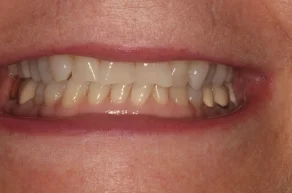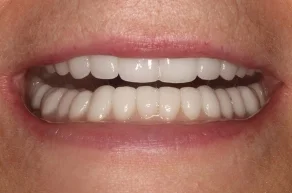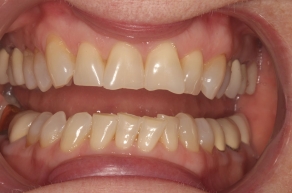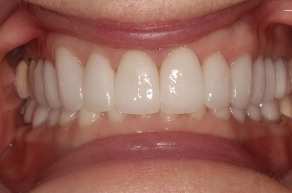
 Losing a tooth is about more than just aesthetics. While many patients are understandably concerned about how their smile will look after an extraction, there’s another critical factor to consider: jawbone health. Without proper treatment, bone loss can begin soon after a tooth is removed, potentially affecting your facial structure, oral function, and long-term dental health.
At OC Lifesmiles, cosmetic dentist John Cross, DDS works closely with patients to prevent bone deterioration following tooth extraction. He offers advanced restorative dentistry solutions to replace missing teeth, restore function, and preserve the strength of your jawbone.
Why Does Bone Loss Happen After a Tooth Extraction?
Your jawbone depends on stimulation from your teeth to maintain its density and strength. Every time you chew, bite, or speak, your tooth roots stimulate the surrounding bone. This stimulation signals your body to continue renewing and maintaining the bone tissue.
When a tooth is extracted and not replaced, that stimulation disappears. As a result, the body begins to resorb or break down the bone in that area. Studies show that significant bone loss can occur within the first six to twelve months after extraction.
Over time, untreated bone loss can lead to:
- Changes in facial shape (a “sunken” appearance)
- Shifting of nearby teeth
- Difficulty chewing or speaking
- Complications for future restorative treatment
- Reduced support for dentures
Preventing this process early is key to maintaining both your oral health and your facial structure.
Why Dental Implants Are the Gold Standard for Preventing Bone Loss
Among all tooth replacement options, dental implants are uniquely designed to preserve jawbone health.
A dental implant consists of a small titanium post that is surgically placed into the jawbone. This post acts as an artificial tooth root. Once placed, the implant integrates with the bone in a process called osseointegration. This integration allows the implant to function just like a natural tooth root, stimulating the jawbone whenever you chew or bite.
Implants can protect your jawbone by:
- Restoring natural stimulation to the bone
- Preventing bone resorption in the extraction site
- Maintaining facial structure
- Preserving surrounding teeth alignment
Unlike traditional bridges or removable dentures, dental implants address the root of the problem, literally. They can replace not only the visible portion of the tooth, but also the root beneath the gumline.
The Importance of Acting Early
Timing plays a major role in preventing bone loss. After a tooth extraction, Dr. Cross may recommend:
Immediate Implant Placement
In some cases, a dental implant can be placed on the same day as the extraction. Immediate placement helps preserve the bone and reduces overall treatment time.
Bone Grafting
If there is concern about bone volume at the extraction site, a bone graft may be performed. This procedure helps preserve the socket and prepares the area for a future implant. Bone grafting is often done at the time of extraction to prevent shrinkage of the ridge.
The sooner you replace a missing tooth, the better your chances of maintaining optimal bone levels.
What If You’re Missing Multiple Teeth?
Bone loss becomes even more significant when multiple teeth are missing. Fortunately, implant-supported solutions offer stable, long-term protection.
Implant-Supported Dentures
Traditional removable dentures sit on top of the gums and do not provide stimulation to the jawbone. As a result, patients typically experience gradual bone shrinkage, which can cause dentures to loosen over time.
Implant-supported dentures, on the other hand, are anchored to strategically placed dental implants. These implants stimulate the jawbone, helping to reduce ongoing bone loss while also improving stability, comfort, and chewing ability.
Benefits include:
- Greater stability than traditional dentures
- Reduced slipping or shifting
- Improved ability to eat a wider variety of foods
- Better bone preservation
All-on-4®: A Full-Arch Solution
For patients missing most or all of their teeth, the All-on-4® treatment concept provides a comprehensive solution that also supports bone preservation.
All-on-4® uses four strategically placed implants to anchor a full arch of prosthetic teeth. These implants are positioned to maximize existing bone structure, often eliminating the need for extensive grafting.
Since the implants function as artificial roots, they can stimulate the jawbone and help reduce further deterioration.
Advantages of All-on-4® include:
- Fewer implants required compared to traditional full-arch implants
- Immediate stability in many cases
- Improved facial support
- Long-term preservation of bone structure
For patients who have already experienced bone loss due to missing teeth or long-term denture use, All-on-4® can be a transformative option.
The Long-Term Benefits of Preventing Bone Loss
Protecting your jawbone is not just about today—it’s about your long-term oral health. When bone deterioration progresses, it can limit your treatment options and make future restorative care more complex.
By choosing dental implants early, you can:
- Maintain a more youthful facial appearance
- Preserve neighboring teeth
- Support long-term oral function
- Avoid the discomfort of ill-fitting dentures
- Reduce the likelihood of needing advanced bone grafting later
Since dental implants replace the tooth root, not just the visible portion of the tooth, they can provide the stimulation your jawbone needs to remain strong.
Are You a Candidate for Dental Implants?
Most healthy adults are candidates for dental implants. Even if you’ve been missing teeth for years or have experienced some bone loss, modern techniques such as bone grafting and advanced implant planning may still make treatment possible. For patients who are ideal candidates, dental implants represent an investment not only in their smile, but in their long-term health, function, and overall quality of life.
At OC Lifesmiles, Dr. Cross carefully evaluates each patient’s oral health, bone density, and overall goals to create a customized treatment plan. Whether you need a single implant, implant-supported dentures, or a full-arch All-on-4® restoration, the focus is always on long-term stability and preservation.
Take the Next Step Toward Protecting Your Smile
If you are facing a tooth extraction, or if you already have missing teeth, now is the time to think about protecting your jawbone. The sooner you address the issue, the better your outcome will likely be.
Dental implants are generally the most reliable and effective solution for preventing bone loss after tooth extraction. By replacing both the visible tooth and its root, implants provide the stimulation your jawbone needs to stay strong and healthy.
To learn more about dental implants, implant-supported dentures, or All-on-4® treatment, contact our practice and schedule a consultation with Dr. Cross. Protect your bone health today and preserve your smile for the future.